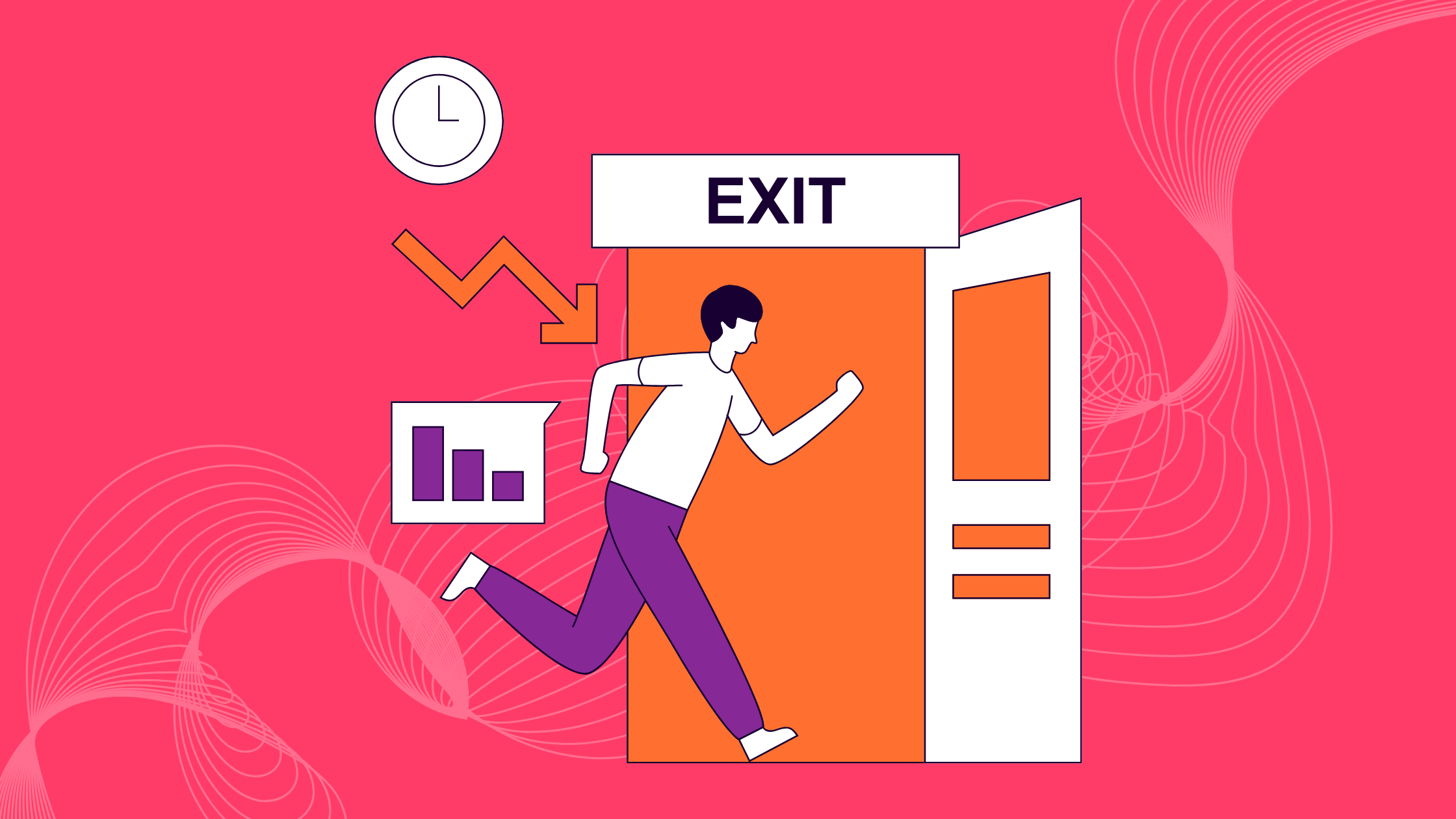
If you’re thinking about getting off Citrix, you’re probably not debating platforms yet.
You’re sitting with a quieter question:
If we try this, what’s going to break first?
That’s the question most teams don’t say out loud. But it’s the one that determines whether a migration is controlled or chaotic.
Because in most environments, the first failure point isn’t the new platform. It’s something that’s been quietly living inside the current one for years.
What “Stable” Really Means
Citrix environments often feel stable. Users log in. Applications launch. MFA works. Tickets are manageable.
But stability in a steady-state environment doesn’t mean readiness for change. It often means the system has settled around its own assumptions.
Those assumptions are invisible while nothing changes.
The moment you introduce a new delivery model, new authentication flow, or new profile behavior, those assumptions surface.
And they surface fast.
The Identity Illusion
Most teams believe their identity model is clean because access works today.
But over time, small accommodations accumulate:
- Service accounts that nobody wants to touch
- Conditional access policies that were layered on gradually
- Exceptions granted during incidents that were never removed
- Trust relationships that predate current governance
- A licensing check behaves differently outside the current context
- A hardcoded dependency assumed a specific path
- A performance tolerance masked a deeper latency sensitivity
Inside the current Citrix configuration, these don’t feel risky. They’re part of the ecosystem.
When delivery changes, authentication flows change. Token handling changes. Policy evaluation shifts. That’s when identity stops being background plumbing and starts being the first visible crack.
Not because identity was “bad.”
Because it was never designed for movement.
The Application Assumption
The second failure point is rarely compatibility. It’s behavior.
An application launching successfully in a test environment doesn’t mean it behaves the same under a new session model, profile persistence rule, or network path.
Teams often discover too late that:
None of this shows up in a feature comparison. It shows up in production.
And by then, the margin for error is smaller.
The Segmentation Gap
Then there’s user segmentation.
Ask most organizations how many user groups they have, and they’ll give you a confident answer.
Ask how those users actually behave under change, and the answer becomes more cautious.
Edge cases define migrations. The developer who needs local admin rights. The finance team tied to a specific integration. The shared endpoint in a regulated environment.
When segmentation is conceptual instead of explicit, migration becomes a guessing exercise.
That’s not a tooling issue. It’s a clarity issue.
Why This Matters Before You Choose a Platform
It’s tempting to believe the hardest decision is AVD versus Omnissa Horizon. Or cloud versus hybrid.
In practice, the hardest decision is acknowledging where your fragility lives.
Because once you see it, you have options. You can sequence work. You can reduce unknowns. You can define exit criteria. You can align leadership and engineering around reality instead of optimism.
Without that clarity, the destination barely matters. You carry the same assumptions into a new environment.
The Real Question
Before diving into migration paths, ask yourself:
If we attempted to exit Citrix tomorrow, where would our first instability appear?
If that answer isn’t clear, that’s a good starting point.
Migration isn’t dangerous because platforms are unreliable. It’s dangerous when change exposes what was never stress-tested.
Understanding that difference is what separates reactive exits from disciplined ones.
If you want a structured breakdown of how different exit paths interact with identity, application behavior, user segmentation, and renewal timing, we’ve documented it in a practical field guide.
Ready to see your migration options?
Get our latest piece: A Practical Field Guide to Citrix Migrations. It’s not a platform pitch. It's a guide to prepare you for your next steps.
→ Find Your Best Path

.png?width=7000&height=3938&name=Anunta%20Blog%20Banner%20(7).png)