
Energy and Utilities Enterprise
Executed a full Windows 10 to 11 migration with minimal user disruption across 5,000+ endpoints.
MANAGED IT SERVICES
Complete lifecycle support for physical and virtual endpoints


Endpoint management is the discipline of securing, configuring, monitoring, and maintaining every device that connects to your organization's network — from laptops and mobile phones to thin clients and virtual desktops. In hybrid enterprises, where fleets span locations, platforms, and ownership models, that discipline has to be airtight.
Anunta manages both physical and virtual endpoints across complex hybrid environments, with a platform-agnostic approach built for enterprises navigating remote-first work, compliance demands, and multi-platform IT operations.
We work across all major technologies: Windows, macOS, Linux, iOS, Android, IGEL, thin clients, zero clients, and virtual desktop environments.
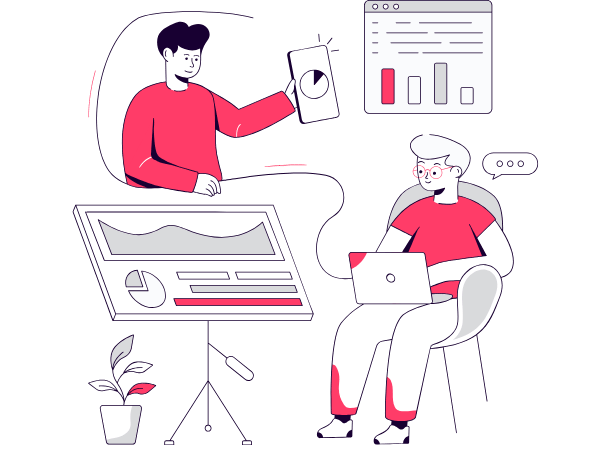
Full Lifecycle Endpoint Management
Anunta follows a consistent methodology across all endpoint management projects:

DIAGNOSTIC
Policy audits, OS lifecycle checks, compliance gaps, and performance issues
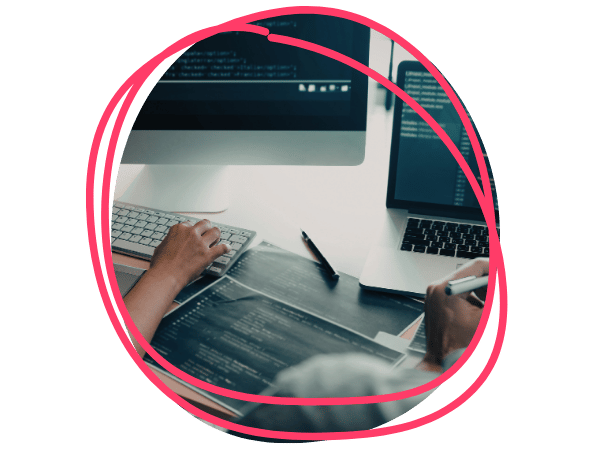
MIGRATION
Windows upgrades, hardware refresh, and image modernization

DAY 0: DESIGN
Persona-based policy design, platform selection, image strategy, and compliance architecture
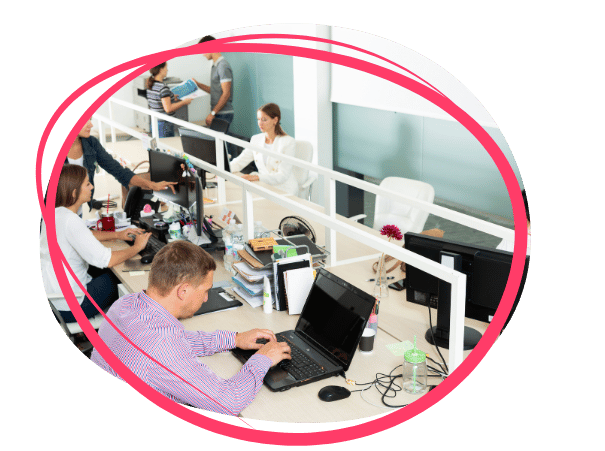
DAY 1: IMPLEMENTATION
Imaging, provisioning, enrollment, and security controls

DAY 2: OPERATIONS
Patch automation, telemetry, remote support, and UX monitoring — with AI-driven operational intelligence built into every Day 2 engagement. Intelligence built in, not bolted on.
We apply our global delivery experience to solve local challenges with measurable results.
Executed a full Windows 10 to 11 migration with minimal user disruption across 5,000+ endpoints.
Modernized endpoint fleet and digitized asset management, improving operational transparency.
Enabled secure BYOD workflows through app virtualization and unified policy rollout.
Transformed user experience through consistent, compliant endpoint configuration.
.png?width=150&height=150&name=Blobs%20(1).png "Blobs (1)")


Endpoint management is the process of securing, configuring, monitoring, and maintaining every device that connects to your organization's network — laptops, desktops, mobile devices, thin clients, and virtual endpoints. In a hybrid environment where devices span locations, ownership models, and platforms, a gap in endpoint visibility or policy enforcement is a gap in your security posture. Effective endpoint management closes that gap while reducing the operational burden on IT teams.
In a co-managed model, your internal IT team retains ownership of certain functions, typically policy decisions and escalations, while a managed services partner handles day-to-day operations like patching, monitoring, and remote support. A fully managed model shifts operational responsibility entirely to the partner. The right choice depends on your team's capacity, your compliance requirements, and how much control you need to maintain internally. Anunta supports both models.
An endpoint migration, such as moving from SCCM to Intune, or upgrading an OS fleet — typically involves four phases: assessment of the current environment, design of the target state, staged rollout with validation, and post-migration support. The complexity depends on the size of the fleet, the diversity of device types, and the number of applications that need to be repackaged or reconfigured. The most common risk is underestimating application dependencies before the migration begins.
Yes. We manage desktops, laptops, mobile devices, thin clients, and virtual desktops in hybrid fleets.
BYOD environments require a different approach than corporate-owned fleets. Rather than managing the device itself, the focus shifts to managing access — through containerization, mobile device management (MDM), and role-based policies that separate corporate data from personal use. This allows employees to use their own devices without exposing sensitive systems or creating compliance risk.
Absolutely. We support SCCM to Intune transitions and hybrid configurations with Azure AD.
We implement automated patch schedules, risk-based prioritization, and policy-driven security frameworks.
Yes. We deploy role-based access, MDM, and containerization policies for unmanaged endpoints.
Yes. We manage macOS, iOS, Android, and Linux endpoints using native and third-party platforms.
Let’s talk about modernizing endpoint management without complexity or cost creep.